




Tips for Cold Weather Adventures and First Aid for Dogs
Nothing beats bounding through fresh snow with your dog, or greeting morning’s first light out on a frozen trail. But with colder temps comes a whole new set of challenges – short hours of daylight, wet weather, and the possibility for adventures to veer off course. The winter season brings new zones of play that require specific dog winter gear designed for cold weather risks.
When a sharp ski edge or an icy creek crossing can cut a winter expedition short, you want to be prepared. Below are a few tips for addressing dog emergencies in the wild, so you can help your pup stay happy and safe.

Photos Contributed by Ruffwear Ambassador, Dr. Bronwyn Fullagar
Bring Layers
First, consider your dog’s cold tolerance. Not all dogs come with a thick, winter coat. While arctic breeds (huskies, malamutes), and their wild ancestors (wolves, coyotes) are wearing their own innate layering system, others may need extra insulation. Young puppies and senior dogs will also feel colder than the average adult canine, and very small dogs tend to get colder faster than larger dogs. And if your pup has a short coat, they’ll appreciate the added warmth of a jacket or sweater when the temps are low.
Start with some short, test adventures outside with your dog — activities where you have the option of turning around early or going inside to warm up. This way you can keep an eye on your dog and get an idea of how long they can comfortably spend outside in different temperatures. It never hurts to bring along an extra layer or two just in case.
Prevent and Treat Hypothermia
This is a potentially life-threatening condition where a dog’s core body temperature drops below 35oC (95oF). Dogs who are outside for prolonged periods, who are tired, hungry, or standing still — particularly in wet or windy weather — are most at risk.
Signs to look for: Strong shivering followed by no shivering, acting sleepy or lethargic and weak, fur and skin that are cold to the touch. In advanced cases, dogs develop decreased heart rate, pale gums, trouble walking and eventually unconsciousness.
How to treat: Remove your dog from the cold environment and place them in a warm room. Dry your dog thoroughly using towels or a hair dryer set on low. Wrap your dog in a warm blanket and surround them with warm hot-water bottles wrapped in towels. Be careful not to place warm objects directly in contact with your dog’s skin. Allow your dog to drink warm (not hot) fluids.
Check your dog’s rectal temperature with a thermometer. If it’s below 35oC or if your dog seems lethargic or is unresponsive, take them to a veterinarian immediately for evaluation.
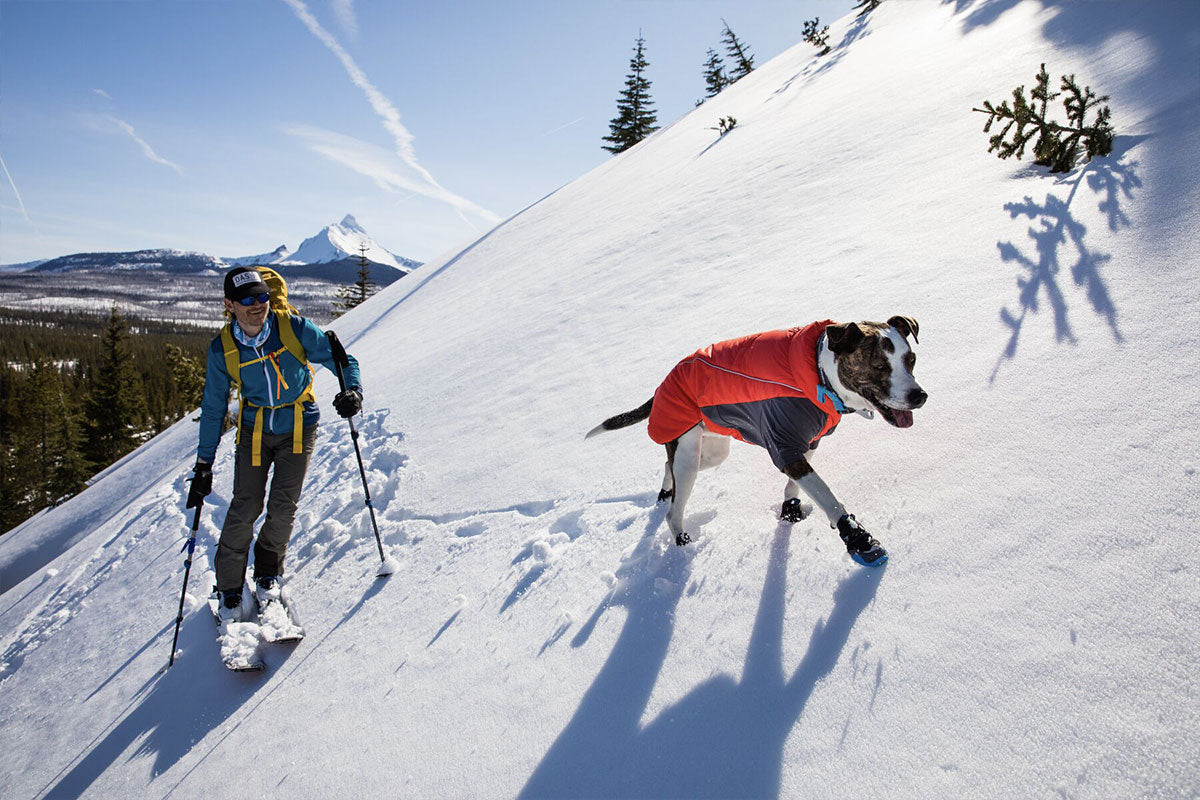
Prevention strategies: Keep your pup warm with dog snow gear like an insulated dog coat or coverall (like the Vert™) that covers their chest. Bring an extra coat in your bag in case of a change in weather or an unexpected delay. Take breaks where you are sheltered from the wind and snow, and place a padded mat on the snow for your dog to rest on. Pack high-energy snacks and water for your dog on adventures longer than one hour. Monitor your dog while outside for shivering, and consider finishing your adventure early or seeking shelter if your dog is cold.
Watch For Frostbite
In cold temperatures (<0oC or 32oF), both humans’ and dogs’ bodies reduce blood flow to their extremities, to preserve heat near the vital organs of their core. Long periods of reduced or absent blood flow can cause serious injury and even death of these regions. Dogs’ ears, noses, tail tip, and prepuce are most at risk. Your dog might not develop frostbite in their paws due to their unique circulation (blood flow), which is very similar to those of wolves and arctic foxes. But that doesn’t mean they can’t get it elsewhere.
Signs to look for: Pale, grey or bluish discoloration of the skin of the extremities, coldness or brittleness of the area when touched, pain and swelling as the areas warm up, blisters or skin ulcers, blackened or dead skin (days after cold exposure).
How to treat: If you suspect your dog has suffered frostbite, seek veterinary attention immediately. Treat for hypothermia (see above). You can gently try to warm the frostbitten skin in your hands, but rewarming must be performed slowly to prevent further damage. Prevent your dog from self-traumatizing frostbitten areas. Avoid the temptation to administer human pain relief medications; generally, they are not safe for dogs and can worsen the situation.
Prevention strategies: Maintain and monitor your dog’s core body temperature by using a dog coat like the Vert™ or Powder Hound™ Dog Jacket, while following the steps above for treating and preventing hypothermia. Avoid prolonged exposure to very cold temperatures, especially in windy weather and for short-coated dogs.
Foot injuries and lacerations
One of the most common winter injuries for dogs that venture into the backcountry is lacerations from sharp ski edges. Dogs’ feet can also develop abrasions from rough snow and ice, irritation from the sand and salt used on roads, cuts to the paw pads, and torn nails. What seems like a minor injury can become much more serious if it delays your return to the car. Having a small first aid kit (see below) for your dog can be very useful in these situations.
Signs to look for: Limping or lameness is the most common sign of foot and lower limb injuries. Sometimes a small laceration will not cause lameness but you may notice blood on the snow. If your dog is limping, have a friend hold them and carefully inspect their lower limb(s) and feet. Clear snow from between the paw pads and inspect their nails. If there is no external wound or torn nail and no snow between the toes, a soft tissue (tendon or ligament) injury is possible.
How to treat: For injuries or irritation of the paws, pads or nails, clear snow from between the toes, dry the foot if possible and place a dog boot on the injured paw. If your dog still seems reluctant to walk on the limb, consider returning to the trailhead. For lacerations further up the limbs, place a sterile dressing (plain gauze is fine) and wrap the region with ‘Vetrap’ (see first aid kit). Be aware that this bandage is temporary and should only be left on for a maximum of 2 hours. Seek veterinary attention as soon as you get home.
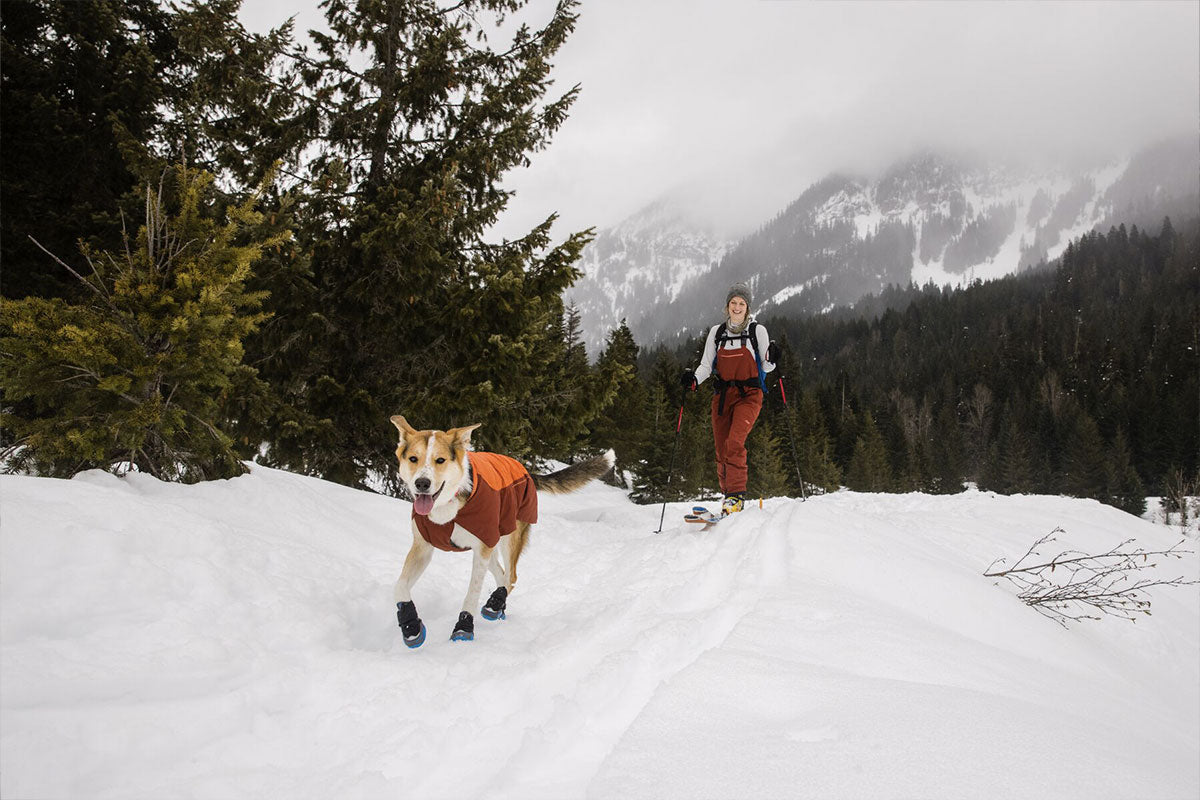
How to prevent: The best way to avoid ski edge lacerations is to train your dog to run downhill behind the group a safe distance from skis. If running on pathways that have been sanded or salted, dog boots are a great way to prevent irritation to the paw pads. Boots like the Polar Trex™ Dog Boots help to keep snow and ice from building up between the toes. Keeping the hair between the toes short and applying Vaseline or a commercial dog foot salve (used by mushers) before going out for the day can also help to repel snow.
Have an exit plan
Lastly, consider the worst case scenario for your dog – he is injured and cannot walk back to the trailhead. What is your exit strategy? Are you or someone in your group able to carry your dog out?
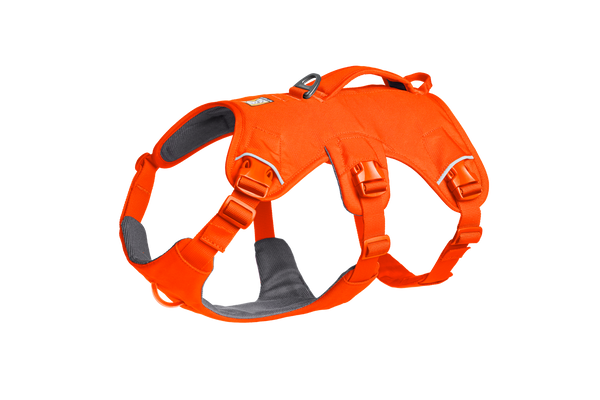
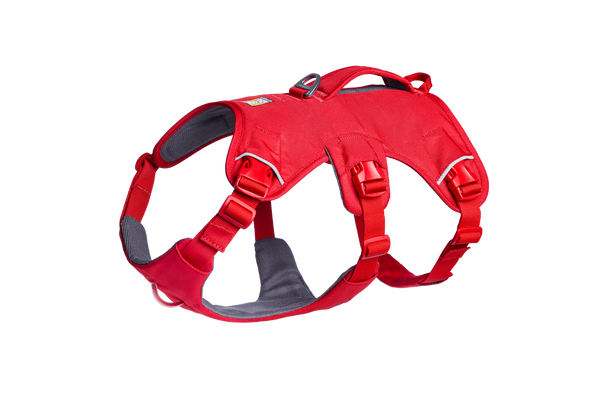
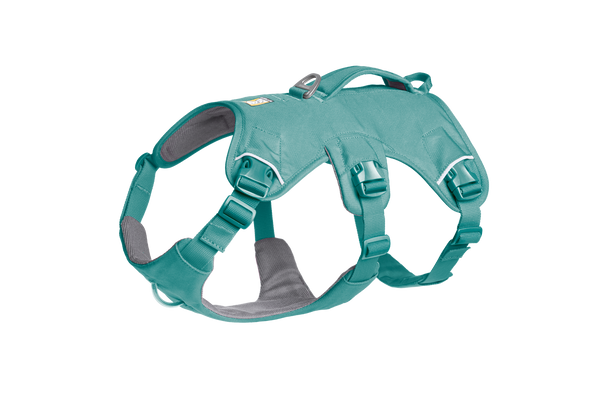
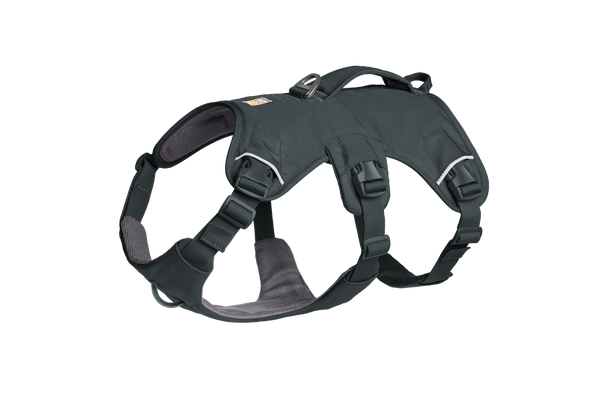
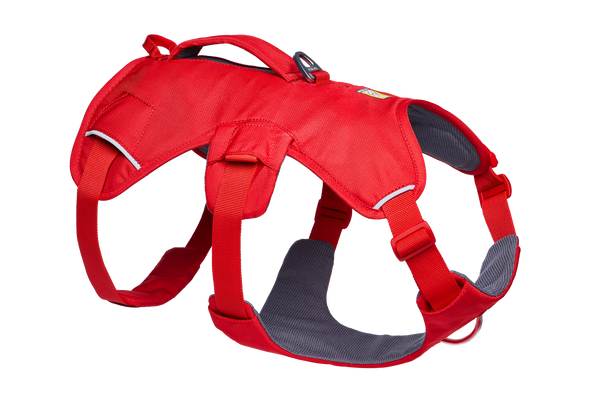
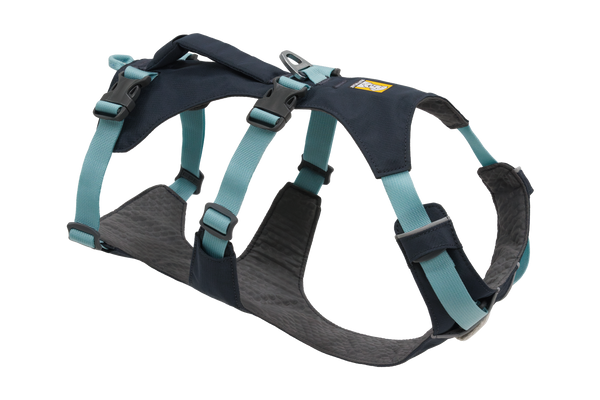
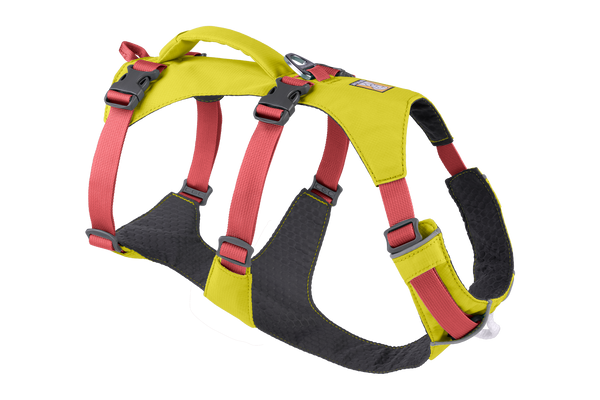
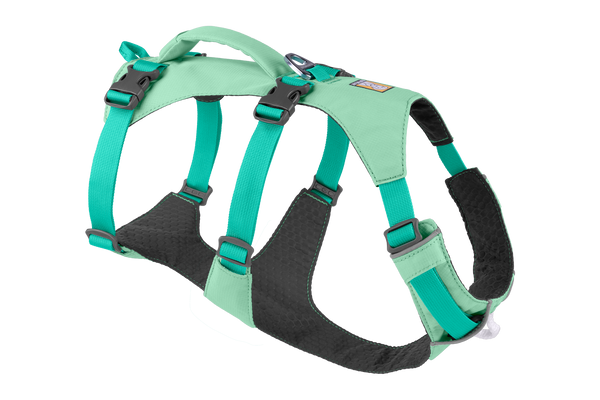
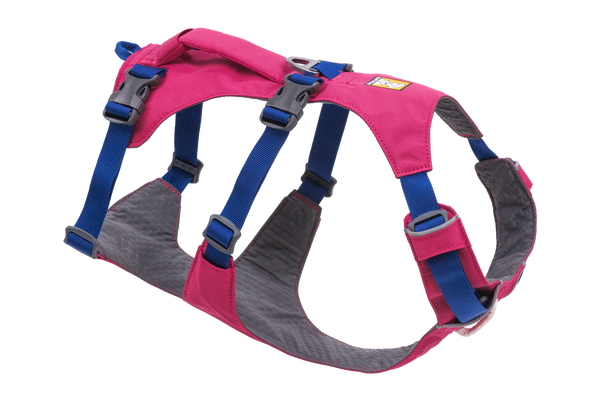
Training your larger dog to tolerate being carried over your shoulders can be very helpful in these types of circumstances. For small and medium dogs, a well-fitting harness with a wide chest panel and handle can make carrying much easier. A harness also works well if your dog gets stuck in deep snow or needs help getting out of a precarious position.

Winter Season Safety Kit
Be prepared for emergencies and shifting weather with a dog safety kit that includes first aid supplies. Start with these basic essentials:
- Leash (non-retractable)
- Coat (plus a spare for longer adventures)
- Boots
- Harness with handle
- Water
- High-energy dog snacks
- Water bowl
- Small insulated mat
- Splint (aluminum or plastic, usually found in human first aid kits)
- ‘Vetrap’ bandage (colored, self-adhesive, conforming bandage available at vet clinics)
- Sterile dressing or gauze to place over a wound
- Vaseline or dog foot salve
- Bandage or cravat for muzzling (any dog that’s in pain can bite)
__
Dr. Bronwyn Fullagar is a specialist veterinary surgeon based in Canmore, Alberta. When not in the clinic, she can be found exploring the backcountry of the Canadian Rockies on skis or on foot with her enthusiastic mountain hound, Arnie. You can follow her veterinary adventures @drbronfullagar.


